
Indian Tasting Menu: The Art of Curated Dining
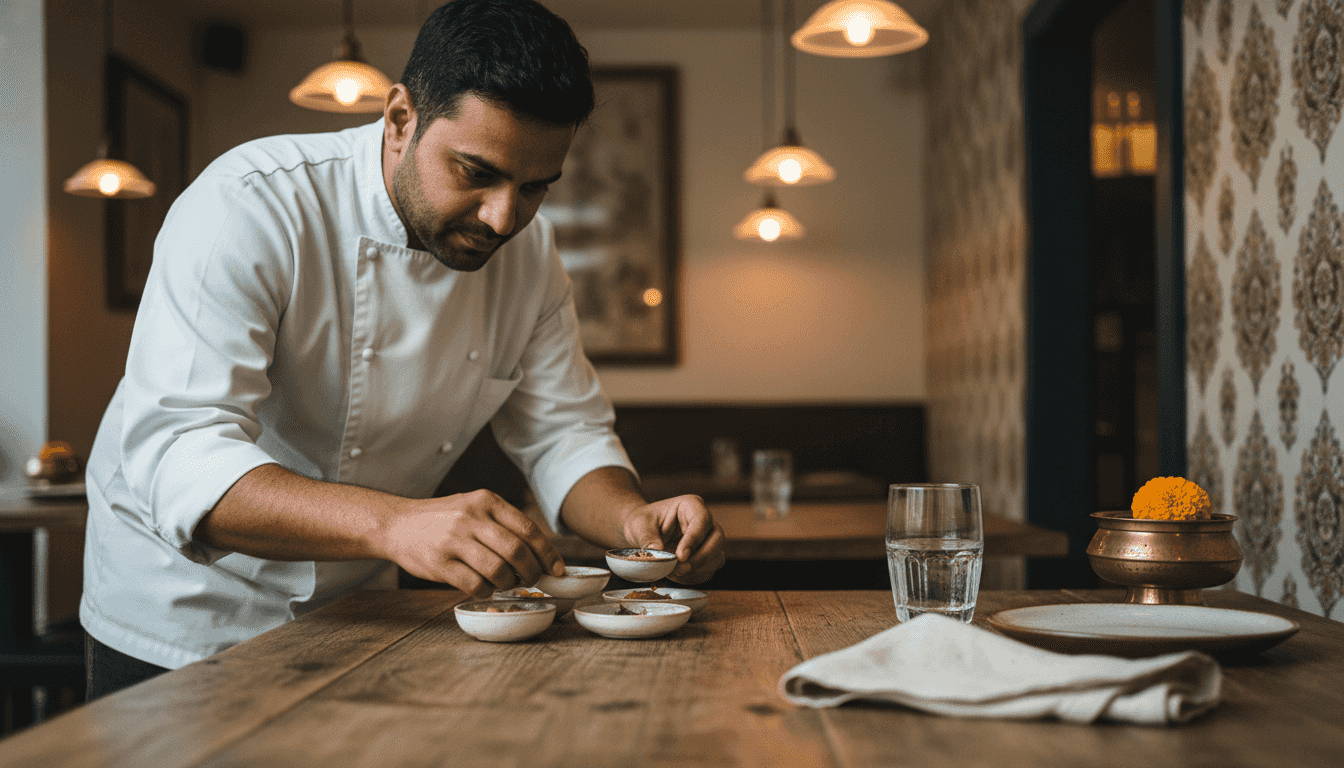
Securing a reservation at Dubai’s finest Indian restaurants is more than a meal—it is an invitation into a curated journey led by visionary chefs. For those who appreciate culinary storytelling through a progression of courses, the Indian tasting menu presents each dish as a chapter celebrating regional heritage and modern creativity. This approach blends tradition with innovation, transforming special occasions into unforgettable sensory experiences for discerning diners seeking something truly extraordinary.
Table of Contents
- Defining The Indian Tasting Menu Experience
- Signature Elements And Culinary Progression
- Regional Influences And Modern Innovations
- What To Expect At A Fine Indian Tasting
- How Indian Tasting Menus Elevate Celebrations
Key Takeaways
| Point | Details |
|---|---|
| Curated Culinary Journey | Indian tasting menus offer a thoughtfully crafted progression of dishes that tell a story and engage diners in a deeper relationship with the cuisine. |
| Mindful Eating Experience | The design emphasizes pacing, encouraging diners to savor each course and appreciate the flavors and techniques involved. |
| Celebration of Regional Diversity | Each menu reflects India’s diverse culinary heritage, focusing on regional ingredients and traditional techniques while embracing innovation. |
| Personalized Celebrations | Bespoke tasting menus for special occasions transform dining into memorable experiences by tying personal narratives to each course. |
Defining the Indian Tasting Menu Experience
An Indian tasting menu is far more than a succession of small plates. It’s a curated journey through food that transforms dining from a simple meal into a meaningful experience. Each dish tells a story, carrying emotions and memories while engaging your palate in a deeper conversation with Indian cuisine.
Unlike traditional à la carte dining, where you select individual dishes independently, a curated progression of thoughtfully crafted small plates invites you into the chef’s vision. The chef becomes your guide, leading you through regional specialties and traditional dishes reimagined with modern technique.
What sets this experience apart:
- Regional storytelling through carefully sequenced courses representing different areas of India
- Mindful pacing that encourages slow eating and genuine appreciation of flavors
- Chef’s creativity balanced with culinary heritage and traditional cooking techniques
- Emotional connection between the diner and the food being served
- Trust and discovery as you surrender to the chef’s narrative without preset expectations
The experience celebrates India’s profound food diversity. Rather than viewing Indian cuisine as monolithic, the tasting menu showcases how each region possesses distinct spice profiles, ingredient preferences, and cooking methods. A course from Kerala differs fundamentally from one honoring Punjab or Bengal traditions.
Here’s a comparison of Indian tasting menu experiences versus conventional à la carte dining:
| Aspect | Indian Tasting Menu | Conventional À la Carte |
|---|---|---|
| Menu Selection | Chef-curated sequence of courses | Guest individually chooses dishes |
| Culinary Narrative | Thematic storytelling and evolution | No planned progression |
| Pacing | Mindful, designed flow | Unstructured, guest-paced |
| Guest Interaction | Guided explanations, chef involvement | Minimal interaction |
| Ingredient Approach | Seasonal, regional, innovative focus | Broad, less regional focus |
This approach represents a shift in how Indian dining is perceived. Where conventional restaurants ask “What do you want to eat?” the tasting menu asks “Will you trust us to show you something extraordinary?” It’s an invitation to slow down, engage multiple senses, and experience Indian cuisine’s cultural heritage in a controlled, thoughtful progression.
At its core, this experience honors tradition while embracing innovation. The chef respects time-honored techniques passed down through generations, yet reinterprets them for contemporary diners seeking something beyond the ordinary.
The Indian tasting menu isn’t just about taste—it’s about storytelling, cultural preservation, and the chef’s intimate connection with their culinary heritage.
Pro tip: When booking your tasting menu experience, inform the restaurant of any dietary restrictions or ingredient aversions in advance, allowing the chef to craft a personalized narrative that respects your preferences while maintaining the integrity of their vision.
Signature Elements and Culinary Progression
Every Indian tasting menu follows a deliberate architectural design. The chef’s narration guides you through each course, explaining the inspiration, ingredients, and technique behind every plate. This storytelling transforms your meal into an intimate conversation between kitchen and table.
The progression itself is carefully orchestrated. Rather than random courses, each course represents a chapter in a larger narrative about Indian culinary heritage. The chef balances texture, temperature, flavor intensity, and color to keep your palate engaged and curious.
Key signature elements include:
- Seasonal and heirloom ingredients showcasing what’s available at their peak
- Regional recipes reinterpreted with modern plating and technique
- Playful reinterpretations of classic dishes you may recognize
- Indigenous ingredient innovation highlighting forgotten or underutilized products
- Multi-sensory engagement through varied textures, temperatures, and visual presentation
The culinary journey typically follows this flow: lighter, more delicate courses open the experience, building gradually toward bolder, more complex flavors. Then comes a subtle reset—perhaps a palate cleanser or lighter interlude—before the finale crescendos with the chef’s most ambitious creations.
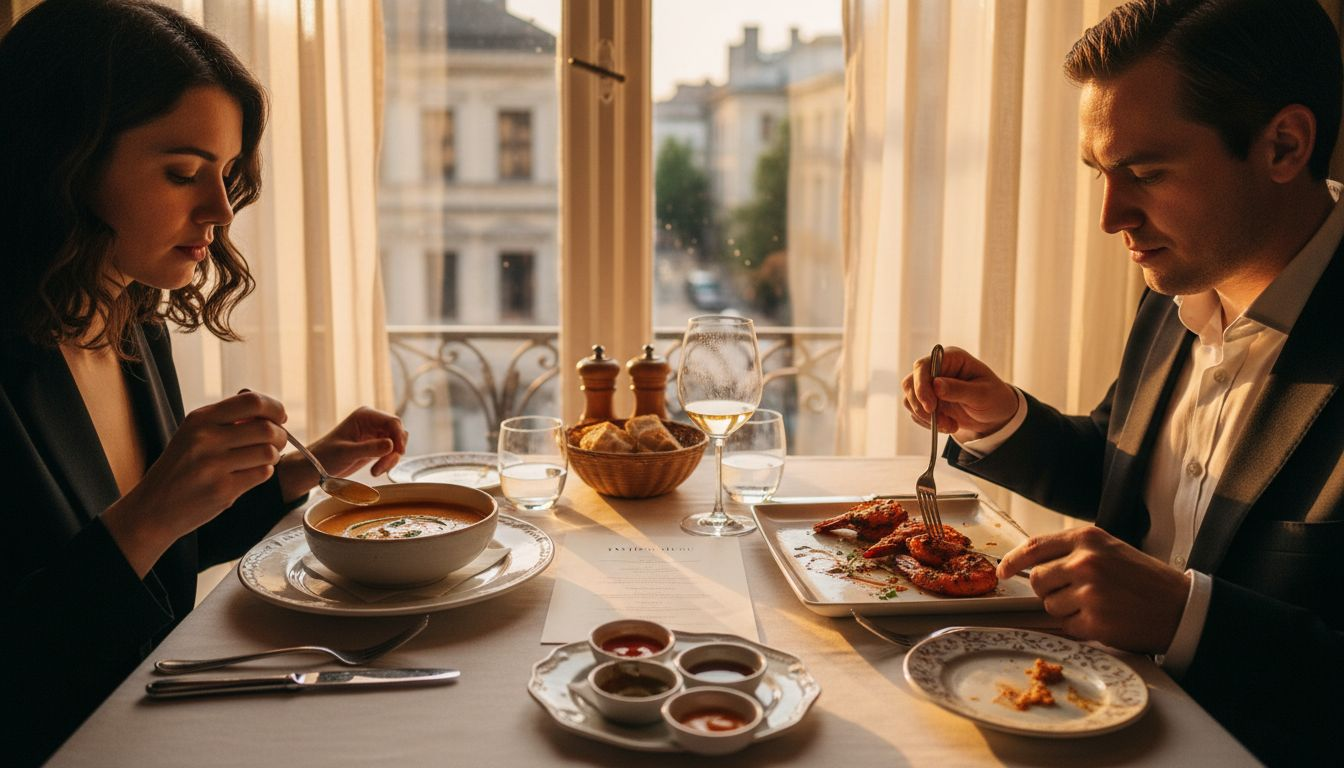
What makes this progression powerful is the balance and restraint involved. Rather than overwhelming your palate with maximum intensity, each course respects what came before, preparing you mentally and physically for what comes next. You’re not exhausted by the meal; you’re energized by it.
Indian agricultural heritage plays a starring role here. Storytelling through flavor evolution means showcasing spices, grains, and produce in ways that highlight their origin stories. A course featuring Himalayan black salt or Andhra chillies becomes a lesson in India’s terroir.
The emotional arc matters enormously. You move from surprise and discovery through recognition and delight, arriving at contemplation and satisfaction. This isn’t accidental—it’s carefully constructed.
The finest tasting menus don’t just feed your hunger; they nourish your curiosity about where your food originates and how tradition continues to evolve.
Pro tip: Ask your server or chef about the sourcing and regional origins of ingredients featured in each course—this knowledge enriches the narrative and deepens your appreciation for the agricultural and cultural story being told through your meal.
Regional Influences and Modern Innovations
Indian tasting menus celebrate the country’s regional diversity while embracing culinary evolution. The beauty lies in this tension between honoring what came before and pushing toward what’s possible. Modern chefs don’t abandon tradition—they amplify it through innovation.
Each region of India possesses distinct flavor profiles, cooking methods, and signature ingredients. A Kerala-influenced course highlights coconut and seafood traditions, while a Punjab-inspired plate celebrates tandoor techniques and dairy-forward richness. The tasting menu becomes a geographical journey across the subcontinent.
This summary shows how regional influences shape the tasting menu approach:
| Region | Signature Ingredients | Typical Techniques | Tasting Menu Contributions |
|---|---|---|---|
| Kerala | Coconut, seafood, spices | Stewing, frying, grilling | Light, aromatic, coastal flavors |
| Punjab | Dairy, wheat, rich spices | Tandoor, slow cooking | Bold, hearty, creamy course options |
| Bengal | Mustard oil, fish, rice | Steaming, shallow frying | Delicate, nuanced, river flavors |
Contemporary Indian chefs are reviving forgotten recipes and indigenous grains that deserve resurrection. These aren’t museum pieces—they’re living culinary heritage reimagined for today’s diners. Blending regional culinary heritage with modern techniques requires deep respect for origins combined with creative courage.
Key innovations reshaping Indian tasting menus:
- Hyperlocal sourcing prioritizing ingredients from specific regions and small producers
- Forgotten grains and heirlooms like jowar, bajra, and heritage rice varieties
- Sustainable practices reducing waste and honoring agricultural traditions
- Modern plating that presents traditional flavors with contemporary visual language
- Fusion restraint where global influences enhance rather than overshadow Indian foundations
The innovation philosophy matters greatly. Authentic modern Indian cuisine doesn’t chase trends or abandon identity. Instead, it asks: How can we honor this dish’s origins while speaking to contemporary palates?
Consider how a chef might approach a classic biryani. Rather than reinventing it entirely, they might source rare heirloom rice, use traditionally milled spices, and employ modern sous-vide techniques to achieve unprecedented precision. The dish remains recognizably itself—but elevated.
Sustainable sourcing has become inseparable from innovation. Chefs work directly with farmers, reviving crops that fell out of favor decades ago. This creates economic opportunity for rural communities while expanding the flavor palette available to diners.
The most compelling Indian tasting menus don’t choose between tradition and innovation—they show us these forces were never truly in conflict.
Pro tip: When reviewing a tasting menu, look for local or regional sourcing mentions and dishes featuring indigenous ingredients—these signal a chef genuinely invested in culinary authenticity rather than pursuing novelty for its own sake.
What to Expect at a Fine Indian Tasting
A fine Indian tasting menu is a completely different dining experience than ordering à la carte. You’re not simply eating dinner—you’re embarking on a curated culinary journey that lasts between 1.5 and 4 hours, depending on the restaurant’s approach and your pace.
The experience begins subtly. Many tastings open with an amuse-bouche, a single unexpected bite that signals the chef’s intentions. This tiny course sets the tone and primes your palate for what follows. From there, multiple small courses flow through varied flavor profiles and textures, each building on the previous one.
What makes fine Indian tastings distinct:
- Meticulously plated courses that are visually stunning and conceptually thoughtful
- Smaller portions designed to satisfy without overwhelming
- Interactive explanations from your server or the chef themselves
- Strategic pacing with palate cleansers between heavier courses
- Impeccable service that feels invisible yet attentive
Expect the unexpected. A dish might arrive as a smoke-filled dome, a crispy shell hiding creamy contents, or a play on childhood memories reimagined through high-technique cooking. The chef uses modernized takes on classics to engage you intellectually and emotionally, not just physically.
Pacing matters enormously. The experience emphasizes mindful eating rather than rushing through courses. Between courses, your plate disappears and the table resets. You might receive a palate cleanser—perhaps a chilled sorbet or a single herb-infused breath—that refreshes your mouth before the next progression.
Staff engagement transforms the meal. Servers narrate the inspiration behind dishes, explain techniques, and answer questions about ingredients. Some chefs emerge from the kitchen to discuss specific courses. This storytelling elevates the experience beyond consumption into genuine connection.
You’ll encounter flavors and textures you haven’t experienced before. This isn’t discomfort—it’s discovery. Portion sizes are generous enough to satisfy but small enough to remain curious for the next course.
A fine Indian tasting menu respects your time, your palate, and your intelligence—treating you as an active participant in the culinary narrative rather than a passive consumer.
Pro tip: Arrive hungry but not ravenous, avoid heavy meals beforehand, and plan to spend at least three hours without rushing—this allows you to fully absorb each course and appreciate the pacing the chef has intentionally designed.
How Indian Tasting Menus Elevate Celebrations
A birthday dinner at a standard restaurant is pleasant. A customized Indian tasting menu transforms that evening into a story your guests will retell for years. The difference lies in intentionality and personalization.
Luxury Indian restaurants now embrace bespoke menu curation for significant milestones. Rather than serving a fixed menu to every guest, chefs work directly with you to craft something deeply personal. Bespoke tasting menus reflect personal stories and cultural heritage, transforming celebrations into experiences that honor both who you are and what matters to you.
What makes these occasions extraordinary:
- Thematic courses that weave together your narrative across multiple dishes
- Customized presentations incorporating visual elements meaningful to your celebration
- Exclusive attention to detail that acknowledges your preferences and dietary needs
- Memorable storytelling that connects guests emotionally to the food and occasion
- Personalized timing allowing unhurried celebration with your loved ones
Consider an anniversary tasting. The chef might structure courses chronologically through your relationship—perhaps opening with flavors from where you met, progressing through places you’ve traveled together, culminating in a dish representing your future. Each plate becomes a conversation starter, a vessel for memory and connection.
Birthday celebrations gain similar depth. A chef might incorporate your favorite spices, childhood favorite dishes reimagined, or regional cuisines connected to your heritage. The menu becomes autobiography served on porcelain.
Corporate milestones and family reunions benefit equally. Multi-generational gatherings can feature courses representing different family branches and their stories. Team celebrations become bonding experiences through shared culinary discovery rather than transactional meals.
The exclusivity factor matters profoundly. Your group receives undivided attention from kitchen and service staff. The pace adjusts to your conversation rhythm. Photography moments are anticipated and accommodated. Nothing feels rushed.
This approach transforms dining from consumption into commemoration. You’re not simply eating well—you’re creating a ceremonial experience that acknowledges the significance of your moment.
When a chef invests in understanding your story and translates it into cuisine, the meal becomes inseparable from the memory itself.
Pro tip: Book your celebration tasting at least four to six weeks in advance, share detailed information about the occasion and any personal food stories with the chef, and allow them creative freedom within your parameters—their expertise in translating your narrative into courses surpasses what you might envision alone.
Experience the Art of Curated Indian Dining at Lavang
Discover how an Indian tasting menu transforms dining into a meaningful journey through regional storytelling and culinary innovation. If you seek to slow down and fully engage with the rich heritage and modern expressions of Indian cuisine a curated tasting menu is the perfect way to honor your palate and emotions. Lavang, Downtown Dubai’s leading fine-dining Indian restaurant, brings these concepts to life through award-winning flavors and masterful chef creativity.
Why settle for ordinary when you can enjoy:
- Thoughtfully sequenced courses that celebrate India’s diversity
- Seasonal ingredients that tell a story on every plate
- A luxurious yet welcoming ambiance ideal for celebrations and family gatherings
Elevate your next dining experience with Lavang’s expertly crafted tasting menu and savor the balance of tradition and innovation. Book your reservation now at Lavang and immerse yourself in a journey that honors India’s culinary heritage with sophisticated modernity. Don’t miss the chance to transform a meal into an unforgettable story that you and your guests will cherish.
Frequently Asked Questions
What is an Indian tasting menu?
An Indian tasting menu is a curated dining experience consisting of a progression of small, thoughtfully crafted dishes that showcase the diversity and storytelling of Indian cuisine through regional specialties and modern techniques.
How does the experience of an Indian tasting menu differ from traditional dining?
Unlike traditional à la carte dining, where guests select individual dishes, an Indian tasting menu offers a fixed sequence of courses curated by the chef, emphasizing a thematic narrative and mindful pacing for deeper appreciation of flavors.
What can I expect in terms of portion sizes and pacing during a tasting menu?
Portion sizes in a tasting menu are generally smaller than typical entrees, designed to satisfy without overwhelming. The pacing is intentional, often lasting between 1.5 and 4 hours, allowing diners to savor each course and engage with the flavors fully.
Can I customize my Indian tasting menu experience if I have dietary restrictions?
Yes, it is advisable to inform the restaurant of any dietary restrictions or ingredient aversions in advance. This allows the chef to craft a personalized narrative that respects your preferences while maintaining the integrity of the tasting menu.