

Step-by-Step Guide to Indian Desserts in Dubai Dining
Every discerning palate knows the true magic of Indian desserts lies in their regional artistry and devotion to tradition. For those who appreciate elegance and authenticity, settling for generic sweets simply will not do. Carefully prepared treats like rasgulla, where specific milk quality and traditional coagulants deliver a distinctive softness and depth, promise an experience far richer than mere sweetness. This guide explores how to navigate dessert menus, recognize genuine preparation, and savor every bite with confidence.
Table of Contents
- Step 1: Identify Authentic Indian Dessert Options
- Step 2: Select The Perfect Dessert Pairings
- Step 3: Order And Present Indian Sweets Elegantly
- Step 4: Evaluate And Enhance Your Dessert Experience
Quick Summary
| Key Insight | Explanation |
|---|---|
| 1. Understand Regional Differences | Recognize that Indian desserts vary by region, each has unique ingredients and flavors that denote authenticity. |
| 2. Request Authentic Preparation | Ask chefs about ingredient sourcing and preparation methods to ensure the dessert is made traditionally. |
| 3. Choose Complementary Pairings | Pair desserts that enhance flavors and textures together, considering elements like contrast and temperature. |
| 4. Observe Presentation Details | Pay attention to how desserts are presented; quality plating enhances the overall dining experience. |
| 5. Evaluate Your Experience Effectively | Assess taste, texture, and aroma systematically to deepen your appreciation of Indian sweets and identify favorites. |
Step 1: Identify Authentic Indian Dessert Options
Authenticating Indian desserts requires understanding their regional origins, preparation methods, and quality markers. You’re looking beyond the name to grasp what genuinely distinguishes a traditional sweet from a simplified or commercialized version.
Start by recognizing that India’s dessert landscape varies dramatically by region. Bengal brings you rasgulla and sandesh, South India offers payasam and jaggery-based treats, while Gujarat presents fafda and the milk-based sweets of North India. Each region has distinct flavor profiles and textures tied to local ingredients and culinary traditions.
When examining an Indian dessert menu, ask yourself these defining questions:
- Does the dessert claim a specific regional origin, or is it presented generically as “Indian sweet”?
- Are traditional ingredients listed, or has the recipe been heavily modified for local availability?
- Does the restaurant source specific components like specific milk types or authentic coagulants?
- Can the chef explain the dessert’s preparation process without hesitation?
Authentic indicators emerge through texture and taste. Traditional rasgulla preparation depends heavily on milk quality and specific coagulation methods that directly influence the final product’s softness, syrup absorption, and flavor depth. If a rasgulla feels artificially spongy or tastes overly sweet without nuance, corners were cut.
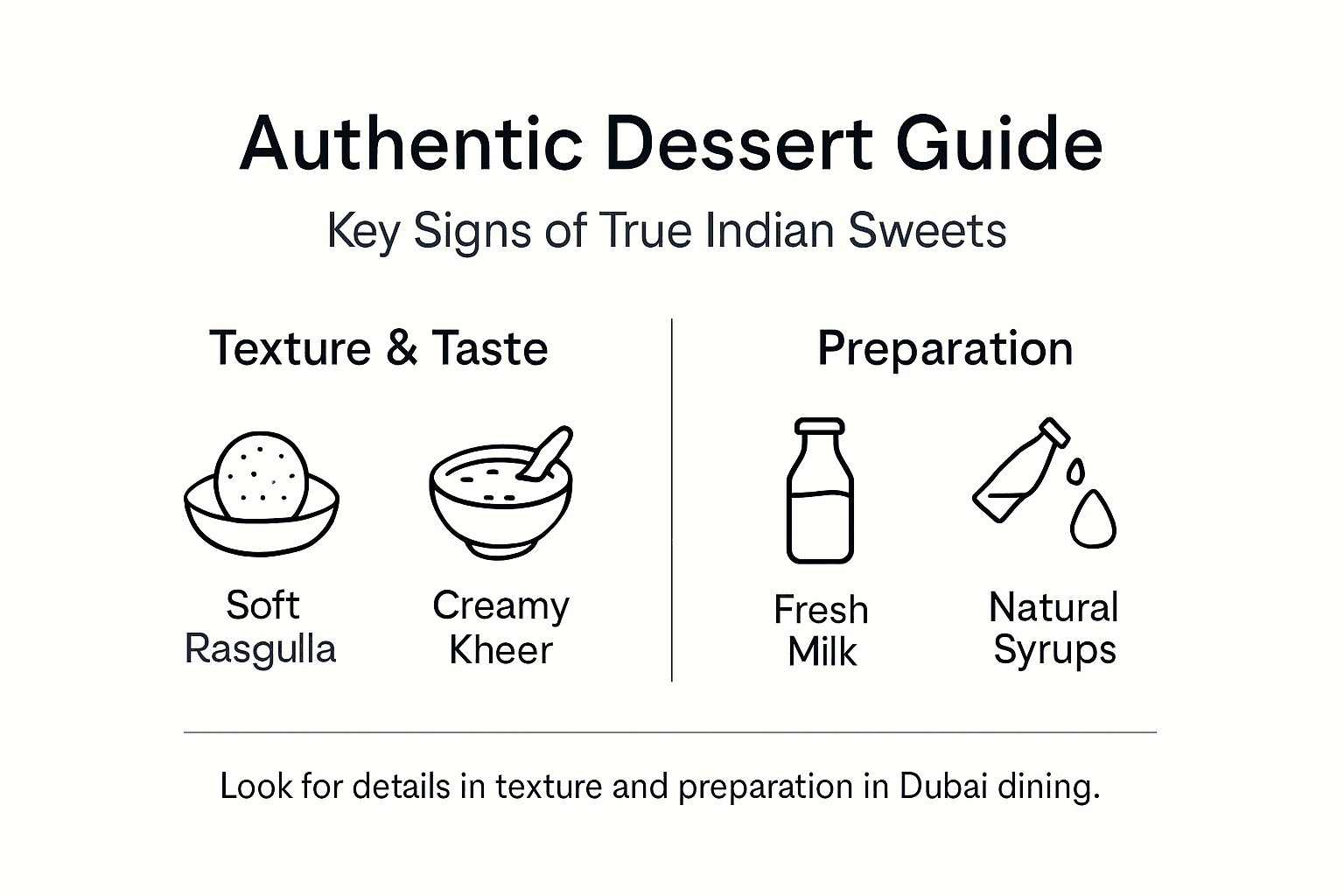
Look for restaurants that honor ingredient integrity. Authentic kheer uses full-fat milk simmered slowly, not powdered substitutes. Gulab jamun requires milk solids prepared traditionally, not store-bought mixes. When chefs skip these foundational steps, the dessert loses its essential character.
Regional authenticity also means understanding sugar preparation. Authentic Indian desserts use specific syrups—light syrup for rasgulla, cardamom-infused syrup for gulab jamun, coconut milk for payasam. The syrup concentration matters. A properly made rasgulla absorbs syrup delicately; it shouldn’t arrive swimming in liquid.
Here is a summary of how regional ingredients influence authentic Indian desserts:
| Region | Key Ingredients | Resulting Dessert Qualities |
|---|---|---|
| Bengal | Fresh chhena, light syrup | Soft, syrupy, delicate flavor |
| South India | Coconut milk, jaggery | Silky, caramelized, rich aroma |
| Gujarat | Chickpea flour, clarified butter | Grainy, nutty, aromatic |
| North India | Milk solids, ghee | Dense, creamy, luxurious taste |
Authentic Indian desserts reveal themselves through regional specificity, traditional preparation methods, and ingredient transparency—qualities that distinguish a genuine culinary experience from a commercialized imitation.
When you dine at a fine-dining establishment like Lavang’s Indian fine dining restaurant in Dubai, authentication becomes visible through chef credentials and sourcing practices. Expert preparation signals respect for tradition. Ask if the kitchen uses fresh milk and traditional coagulants. These details separate restaurants committed to authenticity from those pursuing convenience.
Pro tip: Request a dessert tasting menu paired with descriptions of regional origins and ingredients—this simple request reveals instantly whether your restaurant prioritizes authentic preparation or mass-market simplification.
Step 2: Select the Perfect Dessert Pairings
Selecting dessert pairings means matching flavors, textures, and accompaniments that amplify each other rather than compete. The right pairing transforms a good dessert into an unforgettable conclusion to your meal.
Understand that Indian desserts fall into distinct flavor and texture categories. Creamy desserts like kheer and kulfi pair well with contrasting elements. Crispy or chewy sweets like jalebi demand complementary textures. Milk-based desserts benefit from cooling elements. Complementary pairings enhance textures and flavors by creating balance rather than overwhelming the palate.
Consider these pairing strategies:
- Creamy with crispy: Pair gulab jamun with crispy jalebi or kheer with roasted nuts for textural contrast
- Rich with cooling: Balance heavy milk-based desserts with cold lassi, ice cream, or chilled fruit
- Spiced with dairy: Cardamom and saffron-infused sweets pair beautifully with plain yogurt or heavy cream to soften intensity
- Sweet with savory: Some diners enjoy a hint of salt or savory spice alongside traditional sweets
Flavor infusions matter significantly. When a dessert contains strong spices like cardamom, saffron, or rose, your accompaniment should either echo or neutralize these notes. Cardamom-heavy rasgulla works beautifully with plain milk or ice cream. Rose-flavored sandesh pairs elegantly with unsweetened yogurt.
Think about serving temperature as a pairing element. Hot gulab jamun contrasts wonderfully with cold ice cream or chilled milk. Room-temperature payasam calls for a cold beverage. This temperature interplay creates sensory depth that elevates the experience.
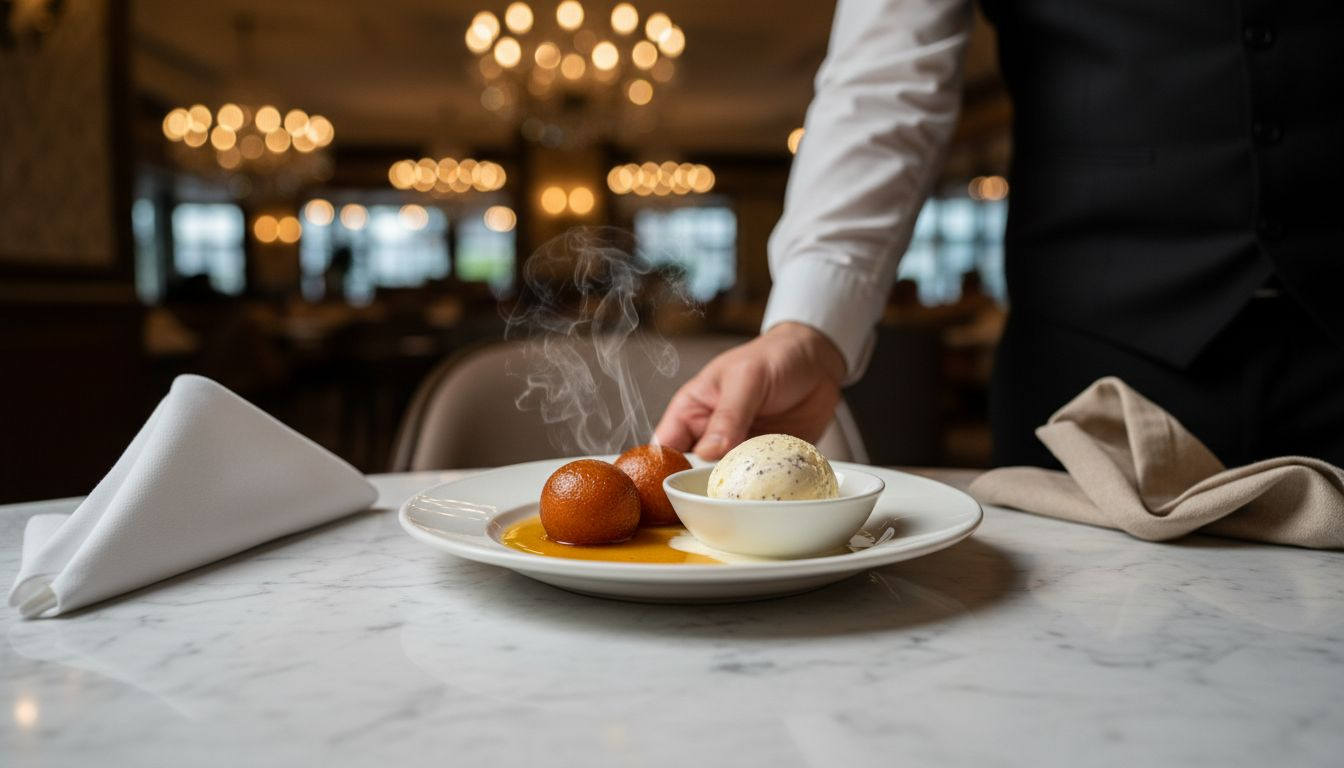
Meal context shapes your pairing choices too. Festival and seasonal pairings guide which desserts complement celebration meals versus casual dining. During Diwali, traditional sweets pair with family gatherings and specific chai preparations. Summer calls for lighter options like mango kulfi or fruit-based payasam.
Use this table to compare classic Indian dessert pairings for a balanced finale:
| Dessert Type | Ideal Pairing Suggestion | Sensory Effect |
|---|---|---|
| Creamy (Kheer) | Roasted nuts or fresh fruit | Textural contrast, freshness |
| Chewy (Jalebi) | Cool rabri or yogurt | Softens sugar intensity |
| Spiced (Sandesh) | Unsweetened dairy or lassi | Balances spice |
| Syrupy (Rasgulla) | Plain ice cream | Refreshes palate |
The best dessert pairings honor the original preparation while introducing complementary elements that extend flavor and create dining harmony.
At fine-dining establishments, ask your server about house-recommended pairings. Quality restaurants understand their dessert profiles intimately and can suggest beverages, accompaniments, or complementary flavors that enhance your selection. This guidance reflects chef expertise and menu development.
Pro tip: Order dessert pairings as a tasting experience rather than committing to single selections—this allows you to explore texture and flavor combinations while training your palate to recognize authentic regional variations.
Step 3: Order and Present Indian Sweets Elegantly
Ordering and presenting Indian sweets elegantly elevates your dining experience from casual to refined. Presentation transforms a dessert into a cultural statement that honors both tradition and your guests.
When ordering, communicate your preferences clearly to your server or chef. Specify whether you prefer milk-based sweets, crispy varieties, or lighter options. Ask about portion sizes—Indian sweets are rich, and smaller portions allow you to savor multiple offerings without overwhelm.
Request fresh preparations whenever possible. Quality establishments prepare sweets daily or source from specialized makers. Freshness directly impacts texture and flavor authenticity. A rasgulla prepared this morning tastes distinctly different from one made days ago.
Understand presentation expectations in fine-dining settings. Traditional plating techniques enhance cultural appreciation through thoughtful garnishing and arrangement. Quality restaurants plate sweets individually rather than serving from shared platters, allowing each dessert its moment of visual prominence.
Look for these presentation markers:
- Colorful garnishes: Pistachios, almonds, edible flowers, or gold leaf adorning each sweet
- Sauce arrangement: Complementary syrups or reductions artfully placed rather than drowning the dessert
- Individual plating: Each sweet presented on its own or as part of a curated tasting arrangement
- Serving ware consideration: Quality establishments use appropriate dishes that respect the dessert’s cultural heritage
When your dessert arrives, pause before eating. Examine the presentation. This moment signals respect for the chef’s work and allows you to appreciate the visual composition before tasting.
Temperature presentation matters too. Hot gulab jamun should arrive steaming, not lukewarm. Kulfi should be properly frozen, not partially melted. Cold payasam should be refreshingly chilled. These temperature standards reflect kitchen attention to detail.
Layering sweets with complementary sauces creates visual depth and flavor complexity. Some establishments present sweets as composed plates where the dessert sits atop a sauce base, surrounded by garnish. Others plate multiple sweets together as a tasting journey.
Elegant presentation of Indian sweets demonstrates cultural respect and culinary craftsmanship—it signals that this dessert matters as much as your main course.
If ordering for events or celebrations, request advance consultations with the restaurant. Quality establishments offer custom presentations for special occasions. They can suggest dessert selections that align with your event’s tone and guest preferences. This planning ensures your sweets arrive perfectly timed and beautifully presented.
Pay attention to portion pacing. Request sweets be served one or two at a time rather than all at once, allowing you and your guests to fully experience each selection without fatigue.
Pro tip: Request a dessert presentation plate that showcases three to four different sweets in smaller portions—this allows you to experience regional variety while appreciating each preparation’s unique plating and flavor profile.
Step 4: Evaluate and Enhance Your Dessert Experience
Evaluating your dessert experience means assessing each element systematically—taste, texture, aroma, and overall satisfaction. This deliberate approach transforms eating into appreciation, deepening your understanding of authentic Indian sweets.
Begin by pausing before your first bite. Observe the aroma. Indian desserts carry distinct scents from cardamom, saffron, rose, or coconut. These aromatic compounds tell you what flavor notes to expect and signal ingredient quality. A faint aroma suggests older ingredients or poor storage.
Now taste mindfully. Let the dessert sit on your tongue momentarily before chewing. Notice the initial flavor impression, then how it evolves. Quality rasgulla reveals subtle milk sweetness before sugar notes emerge. Poor versions taste flat and one-dimensional.
Assess these sensory dimensions:
- Texture: Smooth, grainy, creamy, crispy, or chewy as intended
- Sweetness level: Balanced or overwhelming for your palate
- Spice integration: Cardamom, saffron, or rose notes harmonizing or dominating
- Mouthfeel: Light and delicate or heavy and dense
- Aftertaste: Clean finish or lingering sugar coating
Sensory evaluation frameworks help assess taste, texture, and aroma systematically. This structured approach trains your palate to recognize quality markers and regional variations. Over time, you’ll identify preparation methods by sensory cues alone.
Consider how the dessert affects you personally. Some sweets sit lightly in your stomach; others feel heavy. Some energize you; others induce drowsiness. These responses matter. Quality establishments can suggest modifications—lighter preparations, health-conscious variations, or smaller portions—to enhance your experience.
Make notes mentally or physically. What did you enjoy most? Which regional style resonates with you? What would improve the experience next time? Health-conscious dessert variations preserve authentic flavors while meeting dietary needs, so communicate preferences to your server.
Thoughtful evaluation transforms a dessert course into a learning experience, helping you recognize authenticity while clarifying your personal preferences.
Ask your server or chef for insights after dining. Quality establishments welcome feedback and use it to refine offerings. They can explain preparation choices and suggest next explorations. This dialogue deepens your appreciation and builds a relationship with the kitchen.
Revisit desserts that impressed you. Repetition reveals consistency and subtle variations you missed initially. Your evolving palate discovers deeper complexity with each encounter.
Pro tip: Keep a simple mental note of three sensory observations per dessert—one strength, one potential improvement, one flavor element you’d explore further—this builds your tasting vocabulary without overwhelming your dining experience.
Discover Authentic Indian Desserts with Lavang in Downtown Dubai
Navigating the world of authentic Indian sweets can be challenging when you want true regional flavors and traditional preparation methods that honor the culture and history behind every bite. This guide shows you the importance of ingredient transparency, genuine recipe execution, and elegant presentation to transform your dessert experience from ordinary to extraordinary. If you seek an unforgettable dining journey with expertly crafted desserts like rasgulla, gulab jamun, or payasam that reflect authentic Indian culinary heritage, you do not need to look further.
Experience the artistry of Indian desserts firsthand at Lavang, the leading Indian fine dining restaurant in Downtown Dubai. Our chefs use thoughtfully sourced ingredients and traditional techniques to deliver award-winning sweets presented with sophistication and care. Whether exploring regional specialties or pairing desserts for balance and depth, Lavang provides the elevated atmosphere and culinary expertise that enthusiasts value.
Elevate your next meal by exploring our Indian dining experience, where authenticity meets innovation.
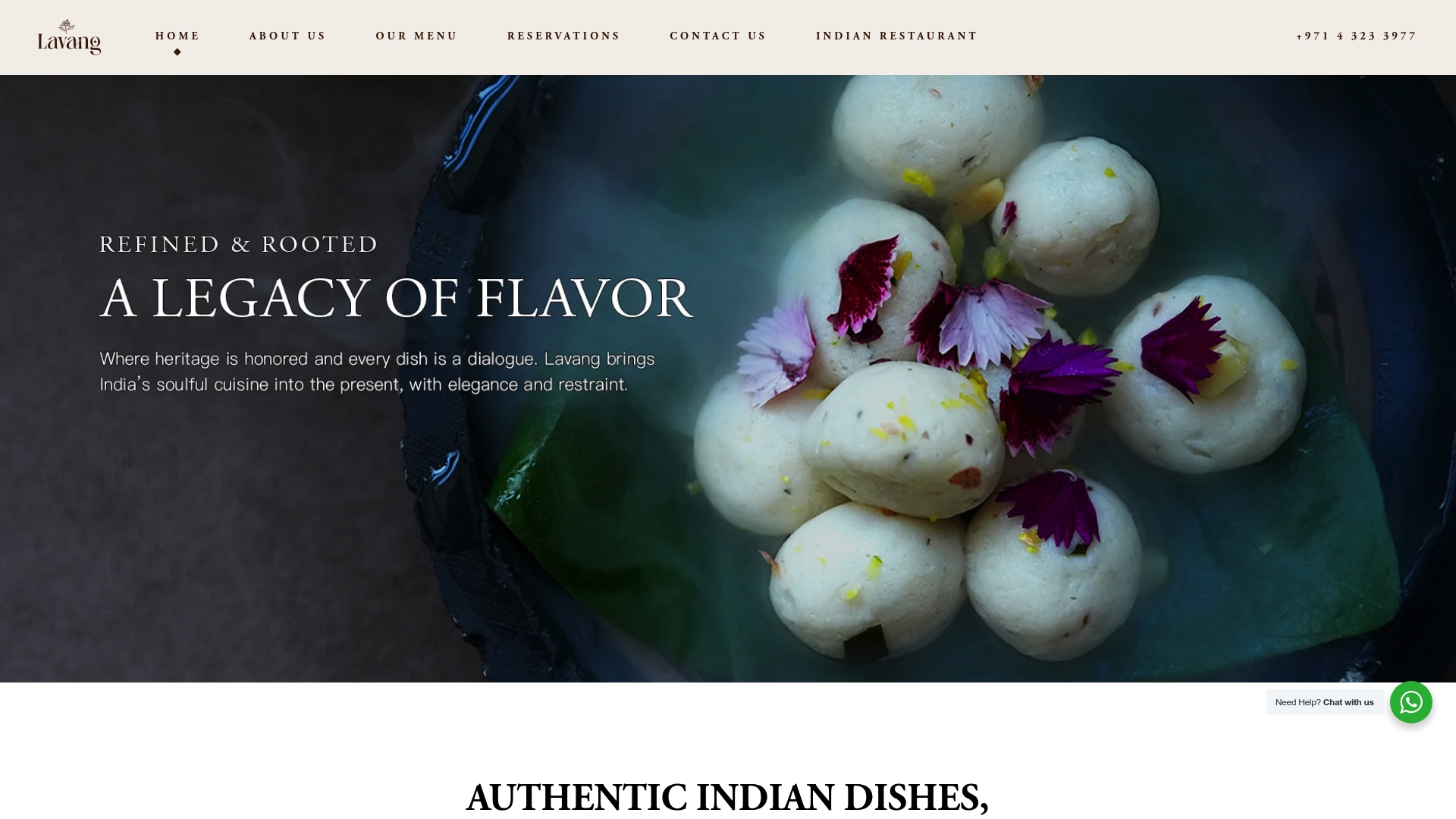
Taste the true essence of Indian desserts today at Lavang. Reserve your table now to enjoy a curated dessert tasting menu paired perfectly with your meal. Delight in a harmonious blend of tradition and elegance that only our Downtown Dubai location can offer.
Frequently Asked Questions
What should I look for to identify authentic Indian desserts in Dubai dining?
To identify authentic Indian desserts, pay attention to their regional origins, traditional ingredients, and preparation methods. Ask if the dessert is made with specific local ingredients and inquire about the chef’s preparation process to ensure you are enjoying a genuine experience.
How can I select the perfect dessert pairings when enjoying Indian sweets?
Selecting dessert pairings involves matching flavors and textures that complement each other. For example, pair creamy desserts like kheer with crispy options like jalebi to create a delightful contrast in your meal.
How do I order Indian sweets elegantly in a fine dining setting?
Order Indian sweets by clearly communicating your preferences regarding dessert types and portion sizes. Request fresh preparations whenever possible to ensure you enjoy the best flavors and textures at the dining establishment.
What steps can I take to evaluate my dessert experience properly?
To evaluate your dessert experience, take a moment to observe the dessert’s aroma and consider its taste, texture, and overall satisfaction. Note specific elements you enjoyed, such as flavor balance or presentation, to enhance your understanding for future visits.
How important is dessert presentation when dining in Dubai?
Dessert presentation is crucial as it reflects the culinary craftsmanship and cultural respect of the dining experience. Look for colorful garnishes and individual plating, which enhance visual appeal and signal the restaurant’s commitment to quality.
Can I request specific dessert preparations or customizations at a restaurant?
Yes, you can request specific dessert preparations or customizations when dining. Consult with your server or chef in advance to discuss options that align with your preferences or dietary needs.