
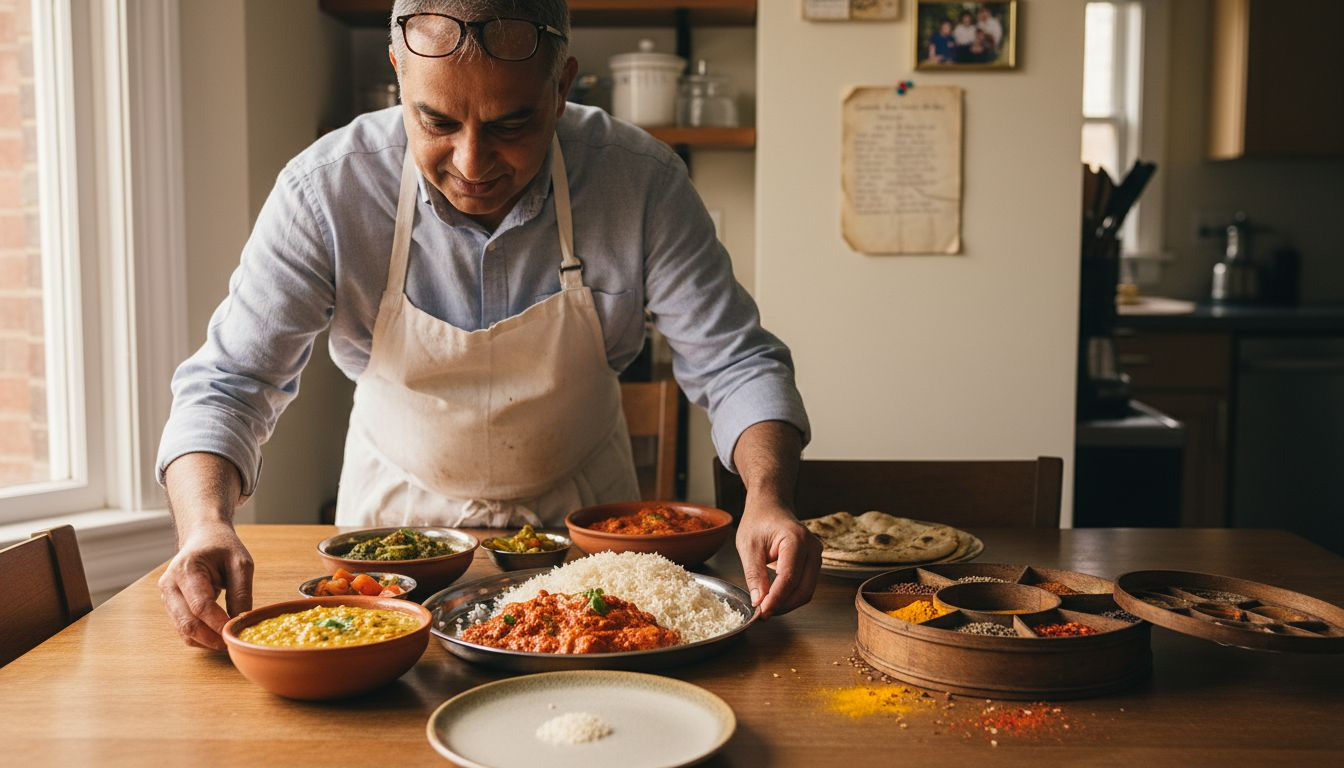
Indian Food Health Benefits: 50% More Antioxidants
Indian cuisine offers a powerful advantage for health-conscious diners: meals featuring traditional spices and preparation methods deliver up to 50% more antioxidants than typical Western diets. Understanding which Indian dishes provide specific nutritional benefits empowers you to make informed choices that support your wellness goals while enjoying exceptional flavors. This guide reveals the science behind Indian cuisine’s health benefits and helps you select dishes at fine dining venues that align with your nutrition priorities.
Table of Contents
- How To Evaluate The Health Benefits Of Indian Cuisine
- Key Indian Spices With Health Benefits
- Health Benefits Of Indian Staple Foods
- Comparative Health Benefits Of Indian Foods
- Cooking Techniques And Nutrient Retention In Indian Cuisine
- Summary Comparison Of Indian Food Health Benefits
- Situational Recommendations For Indian Food Choices
- Experience Healthy Indian Fine Dining In Dubai
- FAQ
Key Takeaways
| Point | Details |
|---|---|
| Spice Power | Turmeric and fenugreek deliver anti-inflammatory effects and blood sugar control with clinically proven results. |
| Protein & Fiber | Indian lentils provide 18-25g protein per 100g serving, supporting cardiovascular and digestive health. |
| Cooking Methods | Traditional simmering preserves 30% more vitamins compared to deep-frying techniques. |
| Antioxidant Edge | Indian meals contain 40-50% higher antioxidant levels than Western diet equivalents. |
| Targeted Benefits | Strategic dish selection supports inflammation control, metabolic health, and weight management goals. |
How to Evaluate the Health Benefits of Indian Cuisine
Assessing Indian food’s nutritional value requires examining multiple dimensions beyond simple calorie counts. The true health impact emerges from understanding how spices, ingredients, and cooking methods work together to create meals with measurable wellness benefits.
Start by examining spice composition. Traditional Indian spices increase antioxidant intake by 40-50% compared to non-spiced diets, delivering bioactive compounds that combat inflammation and oxidative stress. These aren’t just flavor enhancers; they’re functional ingredients with documented therapeutic effects.
Next, consider macronutrient balance. Indian cuisine naturally emphasizes legumes, vegetables, and whole grains that provide complete nutrition. This plant-forward approach delivers fiber, protein, and complex carbohydrates in proportions that support sustained energy and digestive health.
Cooking techniques matter significantly. Traditional methods like slow simmering and dry roasting preserve heat-sensitive vitamins and enhance bioactive compound availability. Compare this to fast-food approaches that rely on deep-frying, which strips nutrients and adds unhealthy fats.
Finally, benchmark against other global cuisines. When you evaluate Indian food alongside Western or other dietary patterns, distinctive advantages emerge in antioxidant capacity, glycemic control, and metabolic health markers. This comparative framework helps you understand why Indian cuisine stands out nutritionally.
Key evaluation criteria include:
- Bioactive spice content and concentration
- Balance of plant proteins, fiber, and complex carbohydrates
- Cooking method impact on nutrient retention
- Antioxidant capacity relative to portion size
- Glycemic index and blood sugar impact
Key Indian Spices with Health Benefits
Indian spices transform meals into functional foods with measurable health impacts. These ingredients deliver far more than taste; they provide concentrated bioactive compounds that research links to specific wellness outcomes.
Turmeric stands as Indian cuisine’s nutritional powerhouse. Turmeric’s curcumin reduces inflammation markers by up to 50%, making it particularly valuable for managing chronic inflammatory conditions. The golden spice also demonstrates potent antioxidant activity that protects cells from oxidative damage. You’ll find turmeric in dal, curries, and rice dishes at quality Indian restaurants. To read more about turmeric’s benefits, explore the extensive research documenting its therapeutic potential.
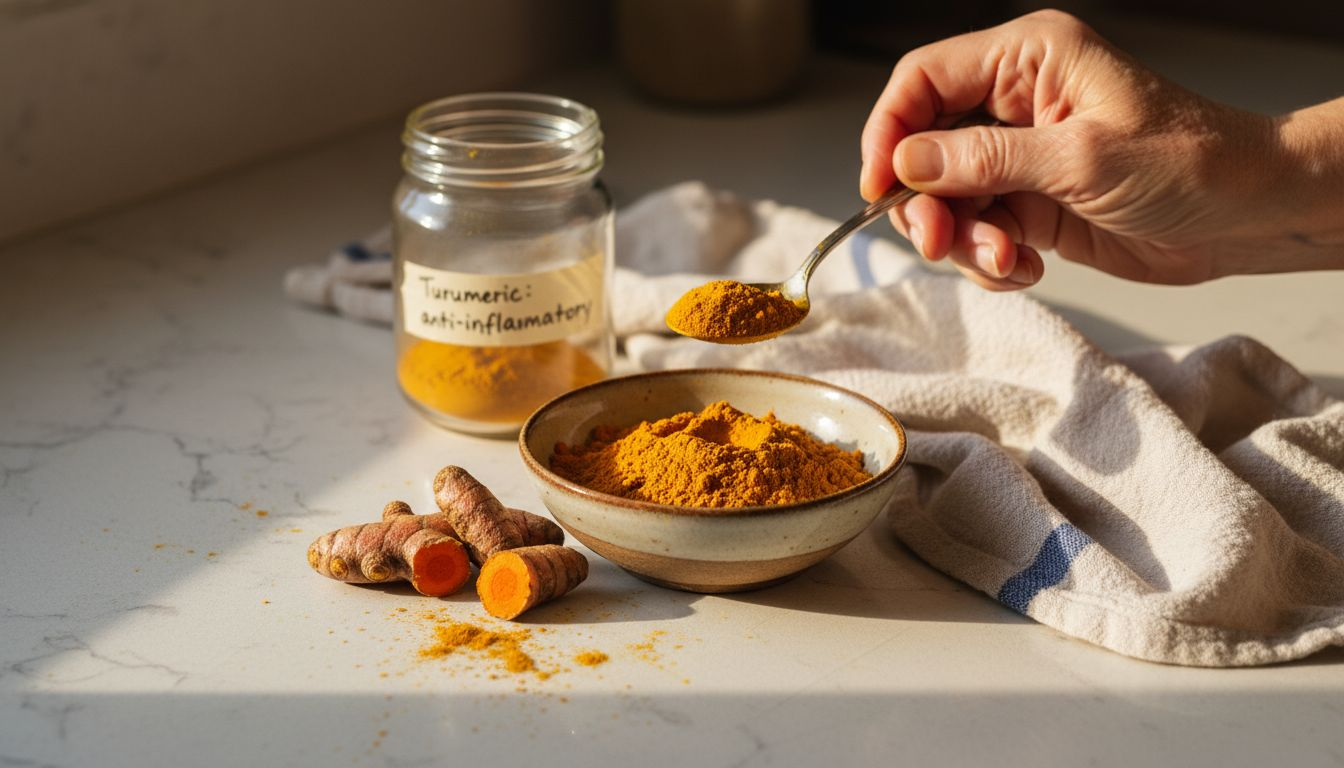
Fenugreek offers remarkable blood sugar regulation. Fenugreek seeds improve blood sugar control, lowering fasting glucose by approximately 20 mg/dL over eight weeks in clinical studies. This makes fenugreek-rich dishes especially beneficial if you’re managing diabetes or metabolic concerns. Look for it in methi dishes and seed-based preparations.
Ginger enhances digestive comfort effectively. Ginger enhances digestion and reduces nausea in 60-70% of study participants, thanks to bioactive gingerol compounds. Fresh ginger appears in chutneys, teas, and savory preparations throughout Indian menus.
Chili peppers provide metabolic support. Capsaicin from chili peppers boosts metabolism by up to 5% and helps reduce appetite, offering modest but meaningful support for weight management goals. Spicy curries and chili-enhanced dishes at spicy Indian restaurants deliver this compound naturally.
Pro Tip: Request dishes prepared with fresh turmeric and fenugreek leaves rather than dried versions when available. Fresh forms often contain higher concentrations of bioactive compounds and deliver superior flavor profiles.
Essential health-supporting spices include:
- Turmeric for inflammation control and antioxidant protection
- Fenugreek for blood sugar regulation and metabolic support
- Ginger for digestive health and nausea reduction
- Chili peppers for metabolism enhancement and appetite management
- Cumin for digestive enzyme stimulation and iron content
Health Benefits of Indian Staple Foods
Indian staple foods provide nutritional foundations that support multiple health dimensions. Lentils and legumes form the backbone of Indian cuisine’s protein and fiber delivery, offering advantages that extend beyond basic nutrition.
Indian lentils provide 18-25g protein and 7-15g fiber per 100g cooked serving, aiding satiety and digestive function. This combination supports muscle maintenance while promoting regular digestion and healthy gut bacteria populations. The high fiber content also helps reduce cholesterol absorption, contributing to cardiovascular protection.
Plant-based Indian dietary patterns demonstrate measurable heart health advantages. Regular consumption of lentil-based meals associates with improved lipid profiles and reduced cardiovascular disease risk markers. The soluble fiber in dal and legume dishes actively binds cholesterol, helping remove it from your system before absorption.
Glycemic control represents another key benefit. Lentils possess a low glycemic index, releasing glucose slowly into your bloodstream rather than causing rapid spikes. This steady energy release helps maintain stable blood sugar levels throughout the day, particularly important if you’re managing diabetes or insulin sensitivity.
Common Indian lentil varieties and their benefits:
- Toor dal (yellow pigeon peas) for balanced protein and digestive support
- Chana dal (split chickpeas) for higher protein density and satiety
- Moong dal (split mung beans) for easy digestion and quick nutrient absorption
- Masoor dal (red lentils) for iron content and faster cooking
- Urad dal (black gram) for calcium and magnesium supplementation
Pro Tip: Combine different lentil varieties in a single meal to maximize amino acid profiles and mineral diversity. Mixed dal preparations at fine dining lentil restaurants often provide superior nutritional completeness compared to single-variety dishes.
To learn more about Indian lentils and their medicinal potential, review the comprehensive nutrient analysis documenting their therapeutic applications across various health conditions.
Comparative Health Benefits of Indian Foods
Indian dietary patterns demonstrate measurable advantages when compared to Western and other global cuisines. These differences extend beyond individual ingredients to encompass overall nutritional profiles and health outcomes.
Antioxidant capacity shows dramatic differences. Indian meals deliver 40-50% more antioxidants than typical Western meals, primarily due to spice-rich preparations and vegetable-forward compositions. This elevated antioxidant intake translates to better protection against cellular damage and chronic disease risk reduction.
Metabolic health markers reveal significant patterns. Indian vegetarian diets show 20% lower metabolic syndrome incidence versus Western omnivorous diets, reflecting the protective effects of plant-based eating combined with bioactive spices. This advantage appears consistently across multiple population studies.
Glycemic response provides another key differentiation. Lentil-based Indian meals improve glycemic control 28% more effectively than wheat-based diets, offering superior blood sugar management for the same caloric intake. The combination of fiber, resistant starch, and low glycemic index ingredients creates this benefit.
You can read about Indian fine dining health trends to understand how modern restaurants are emphasizing these nutritional advantages. To explore the study on metabolic syndrome and Indian diets in detail, review the comprehensive population analysis documenting these health outcomes.
| Dietary Pattern | Antioxidant Capacity (ORAC units/day) | Metabolic Syndrome Rate | Average Glycemic Load |
|---|---|---|---|
| Traditional Indian | 15,000-18,000 | 18-22% | 85-95 |
| Western Standard | 10,000-12,000 | 28-35% | 110-130 |
| Mediterranean | 13,000-16,000 | 20-25% | 90-105 |
| East Asian | 12,000-15,000 | 22-28% | 95-110 |
Cooking Techniques and Nutrient Retention in Indian Cuisine
Traditional Indian cooking methods preserve nutritional value more effectively than modern fast-food techniques. Understanding these differences helps you appreciate why preparation matters as much as ingredients.
Slow simmering maintains vitamin and antioxidant integrity. Slow simmering and dry roasting preserve up to 30% more heat-sensitive vitamins versus deep-frying, particularly for vitamins C, B-complex, and fat-soluble antioxidants. The gentle heat allows flavors to develop without destroying delicate nutritional compounds.
Dry roasting spices activates bioactive compounds. This technique enhances curcumin bioavailability in turmeric and releases aromatic oils containing therapeutic terpenes. You’ll notice deeper flavors and colors in properly roasted spice blends, indicators of successful compound activation.
Steaming and pressure cooking represent ideal methods for vegetables and legumes. These techniques minimize nutrient leaching into cooking water while reducing preparation time. Modern Indian kitchens combine traditional wisdom with contemporary efficiency.
Deep-frying significantly compromises nutritional value. High temperatures degrade vitamins, create harmful compounds through lipid oxidation, and add unnecessary saturated fats. While occasionally acceptable for taste variety, deep-fried items should represent a small portion of your Indian food consumption.
Nutrient-preserving cooking techniques:
- Tadka (tempering spices in minimal oil) for concentrated flavor without excess fat
- Dum cooking (sealed pot steaming) for moisture and nutrient retention
- Tandoor roasting for high-heat cooking without submerging in oil
- Pressure cooking for legumes to preserve vitamins while reducing cooking time
- Fresh garnishing with herbs to add raw nutrients at serving
To review the study on nutrient retention in Indian cooking methods, examine the detailed analysis comparing various preparation techniques across multiple food categories.
Summary Comparison of Indian Food Health Benefits
This comprehensive comparison synthesizes key nutritional data to guide your Indian food choices. Use this reference when selecting dishes that align with specific health goals.
| Component | Key Bioactive Compounds | Primary Health Benefits | Optimal Dish Examples |
|---|---|---|---|
| Turmeric | Curcumin, turmerone | Reduces inflammation 40-50%, antioxidant protection | Dal tadka, turmeric rice, golden curries |
| Fenugreek | 4-hydroxyisoleucine, trigonelline | Lowers fasting glucose 15-20 mg/dL, reduces inflammation | Methi dal, fenugreek parathas, seed curries |
| Lentils (Dal) | Protein 18-25g, Fiber 7-15g per 100g | Cardiovascular support, digestive health, satiety | Toor dal, chana masala, mixed dal preparations |
| Ginger | Gingerol, shogaol | Improves digestion 60-70%, reduces nausea | Ginger chutneys, chai, curry bases |
| Chili Peppers | Capsaicin | Boosts metabolism 3-5%, appetite suppression | Vindaloo, spicy curries, chili-based gravies |
| Nutrient Metric | Traditional Indian Meal | Western Fast Food Meal | Advantage |
|---|---|---|---|
| Antioxidants (ORAC) | 4,500-5,500 per meal | 2,800-3,500 per meal | 45-50% higher |
| Dietary Fiber | 12-18g per meal | 4-8g per meal | 100-150% higher |
| Added Sugars | 2-6g per meal | 15-25g per meal | 60-75% lower |
| Saturated Fat | 4-8g per meal | 12-20g per meal | 40-50% lower |
Situational Recommendations for Indian Food Choices
Applying Indian cuisine’s health benefits requires matching dishes to your specific wellness objectives. These targeted recommendations help you maximize nutritional value based on individual health priorities.
For inflammation control, prioritize turmeric and fenugreek-rich preparations. Order dal with generous turmeric, sabzi featuring fenugreek leaves, and curries highlighting these anti-inflammatory spices. The cumulative effect of multiple servings throughout the week provides the most significant benefit.
Blood sugar management calls for lentil-heavy and fenugreek seed-based options. Toor dal, chana masala, and mixed legume preparations deliver superior glycemic control compared to rice or bread-focused meals. Pair these with vegetable sides rather than refined carbohydrates to optimize blood sugar response.
Cardiovascular health thrives on vegetable-forward thalis with abundant legumes. Choose meals emphasizing dal, sabzi (vegetable preparations), and moderate portions of whole grain accompaniments. The combination of fiber, plant sterols, and minimal saturated fat actively supports heart health.
Weight management benefits from chili-infused meals with high protein content. Spicy preparations may modestly boost metabolism while protein-rich lentils and lean preparations promote satiety. Focus on grilled, roasted, or simmered dishes rather than fried options.
Targeted dish selections by health goal:
- Anti-inflammatory: Dal tadka, methi sabzi, turmeric rice, ginger-based curries
- Blood Sugar Control: Chana masala, toor dal, fenugreek seed dishes, mixed legume preparations
- Heart Health: Vegetable thali, dal combinations, sabzi varieties, tandoori vegetables
- Weight Management: Grilled tandoori proteins, chili-spiced dal, vegetable-heavy curries, minimal oil preparations
- Digestive Support: Ginger chutneys, light dal, steamed preparations, yogurt-based raitas
Pro Tip: Build meals around lentils as the centerpiece rather than treating them as side dishes. This approach automatically increases protein and fiber while reducing reliance on refined carbohydrates.
You can discover recommended dishes at Lavang that emphasize these health-supporting ingredients and preparation methods. Explore fine dining Indian cuisine options that balance exceptional flavor with nutritional integrity.
Experience Healthy Indian Fine Dining in Dubai
Now that you understand Indian cuisine’s remarkable health benefits, it’s time to experience these advantages firsthand at a venue that prioritizes both nutrition and culinary excellence. Lavang offers expertly crafted Indian dishes rich in health-supportive spices, wholesome legumes, and fresh vegetables prepared using traditional techniques that preserve nutritional value.
Our menu features turmeric-rich dal preparations, fenugreek-enhanced vegetables, and carefully spiced curries that deliver the antioxidant and anti-inflammatory benefits discussed throughout this guide. Each dish reflects our commitment to authentic flavors achieved through nutrient-preserving cooking methods. Whether you’re focused on inflammation control, blood sugar management, or cardiovascular health, you’ll find options aligned with your wellness goals without compromising on taste or dining experience. Visit our Indian Fine Dining Restaurant in Downtown Dubai location, recognized as a Premier Indian Restaurant Downtown Dubai, or explore Lavang’s nutritious menu online to plan your next health-conscious dining experience.
FAQ
What are the main health benefits of Indian spices like turmeric and fenugreek?
Turmeric contains curcumin, which reduces inflammation markers by up to 50% and provides powerful antioxidant protection against cellular damage. Fenugreek improves blood sugar control by lowering fasting glucose approximately 20 mg/dL over eight weeks while also reducing inflammatory responses beneficial for arthritis and metabolic conditions.
How do Indian lentils support cardiovascular and digestive health?
Indian lentils deliver 18-25g protein and 7-15g fiber per 100g cooked serving, promoting cholesterol reduction and supporting regular digestive function. Their low glycemic index helps maintain balanced blood sugar levels throughout the day, preventing the spikes associated with refined carbohydrates and supporting sustained energy.
Are traditional Indian cooking methods healthier than fast-food styles?
Yes, traditional techniques like slow simmering and dry roasting preserve up to 30% more heat-sensitive vitamins compared to deep-frying methods common in fast food. These approaches enhance bioactive compound availability while minimizing unhealthy fat addition, resulting in meals with superior nutritional profiles.
Which Indian dishes are best for weight management and blood sugar control?
Lentil-heavy dishes like toor dal and chana masala provide excellent blood sugar regulation due to their high fiber content and low glycemic index. Chili-spiced meals offer modest metabolism-boosting effects through capsaicin, supporting weight management when combined with protein-rich preparations that enhance satiety. Visit Lavang for healthy Indian dishes that emphasize these nutritional advantages without sacrificing authentic flavors.